No European country is more closely tied to the cigar than Spain. Spanish sailors first saw tobacco in Cuba in 1492, Seville rolled Europe's first commercial cigars, and Spanish emigrants built many of Havana's famous factories. This independent guide covers Spain's cigar history and what adult visitors need to know today.
We do not sell or ship tobacco and are not affiliated with any company named here.
From Cuba to Seville
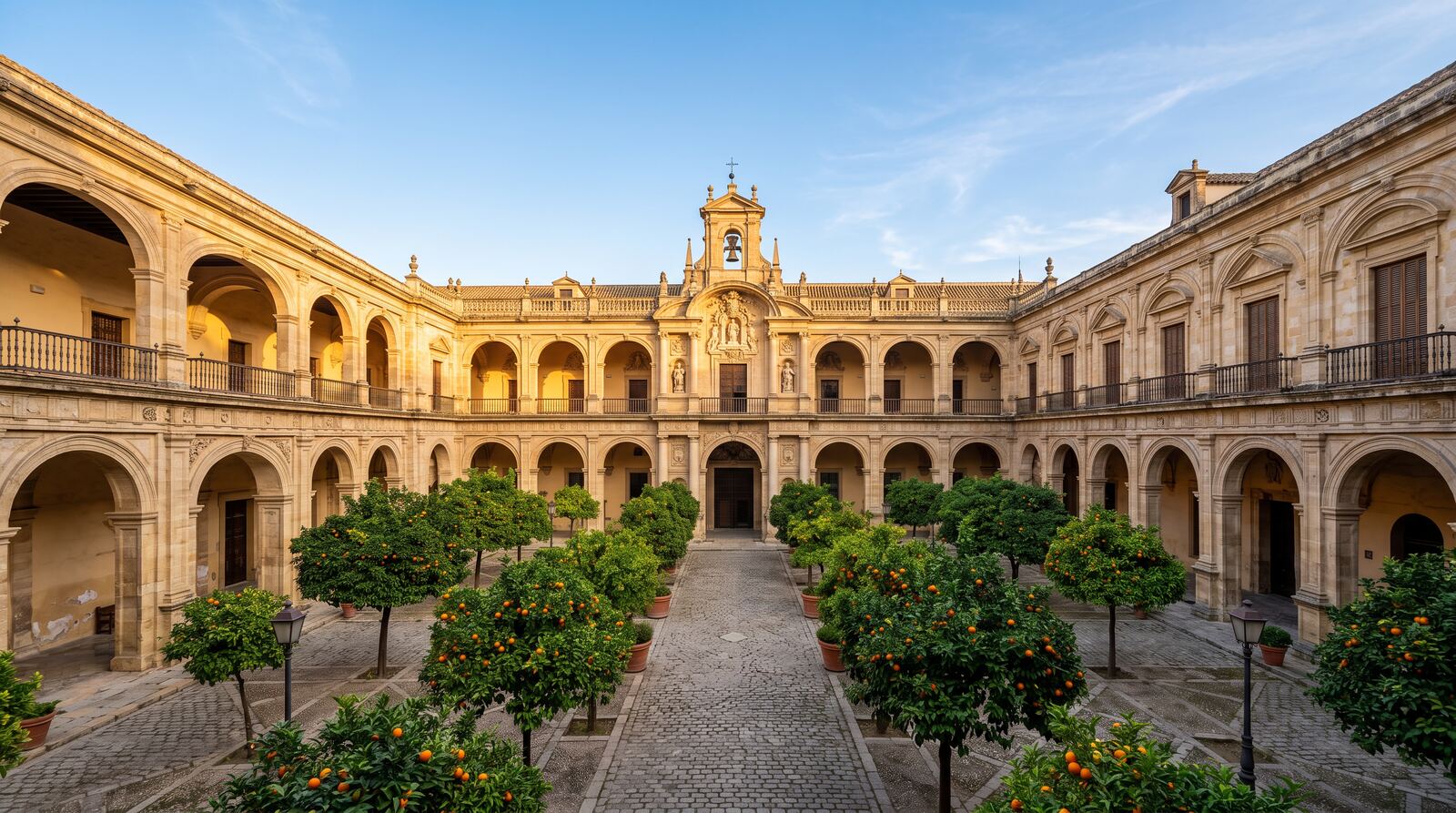
Tobacco reached Spain soon after Columbus's voyages, and by the 17th century Seville was processing leaf from the Americas under a royal monopoly. Its factories made snuff and, increasingly, cigars. In the 18th century the crown built the vast Royal Tobacco Factory, which employed thousands of women known as cigarreras and later inspired Bizet's opera Carmen. Read the full story in Seville's Royal Tobacco Factory.
For the very beginning of the story, see our sister site's guide to where tobacco originated.
The Spanish Tobacco Monopoly
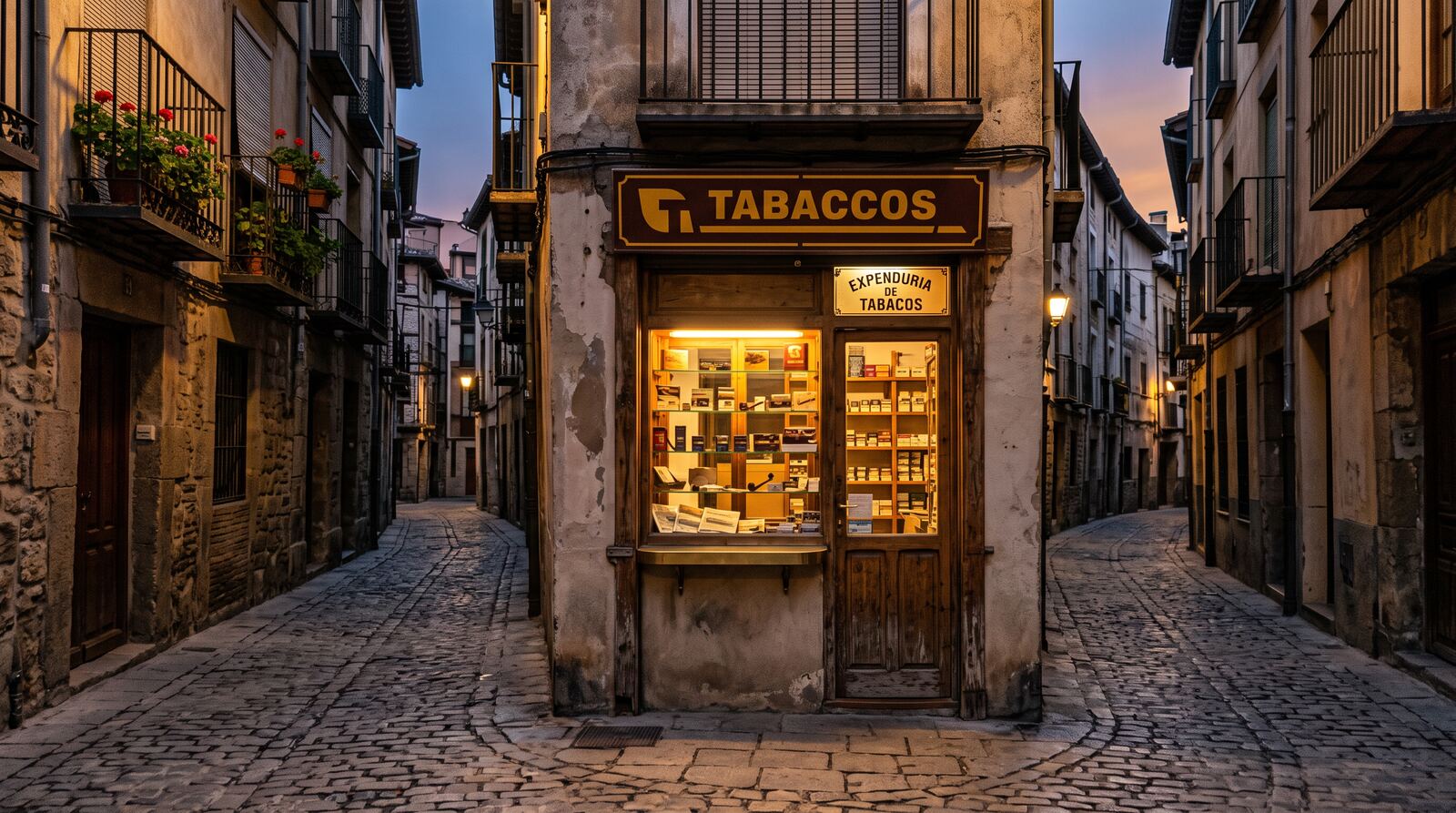
For centuries Spain's tobacco trade was a state monopoly. In the 20th century it was run by Tabacalera, which made cigarettes and cigars and controlled distribution. After Spain joined the European Community, manufacturing was opened up; Tabacalera was privatized at the end of the 1990s and merged with France's SEITA to form Altadis, later acquired by Imperial Tobacco. Retail sale, however, remains tightly controlled through a network of state-licensed estancos.
Cuban Cigars in Spain
Cuban cigars are legal in Spain and widely available in estancos, especially specialist shops with walk-in humidors in Madrid, Barcelona and other large cities. Spain has long been one of the largest markets in the world for Habanos. Americans can enjoy them while in Spain but may not bring Cuban-origin tobacco home to the United States.
The Canary Islands
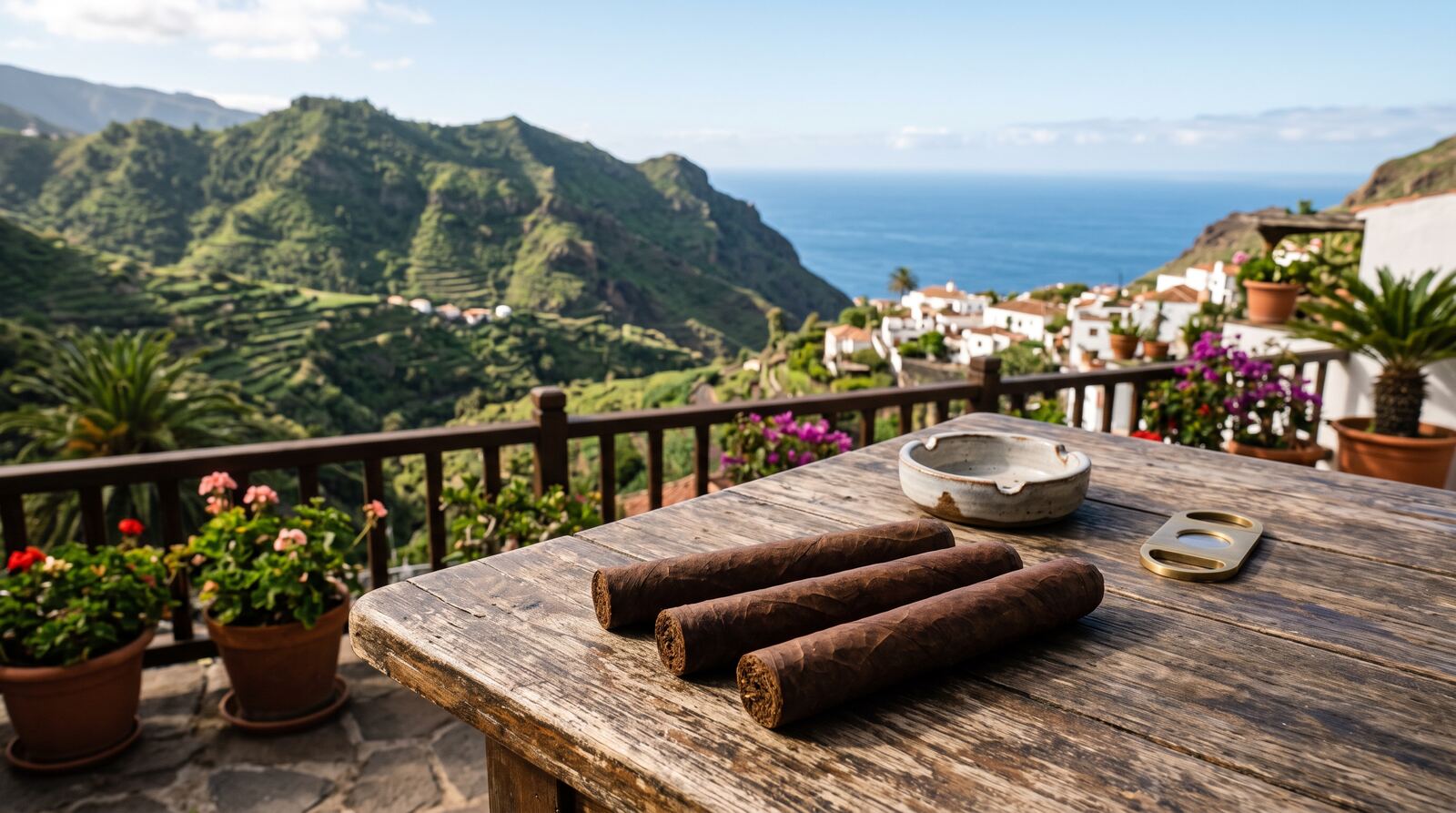
Spain's Atlantic islands have their own cigar tradition. Hand-rolled cigars from La Palma, known as puros palmeros, are a protected local craft, and in the 1960s and 1970s factories on Gran Canaria made some of the best-selling premium cigars in the United States. See Canary Islands cigars.
Where to Smoke
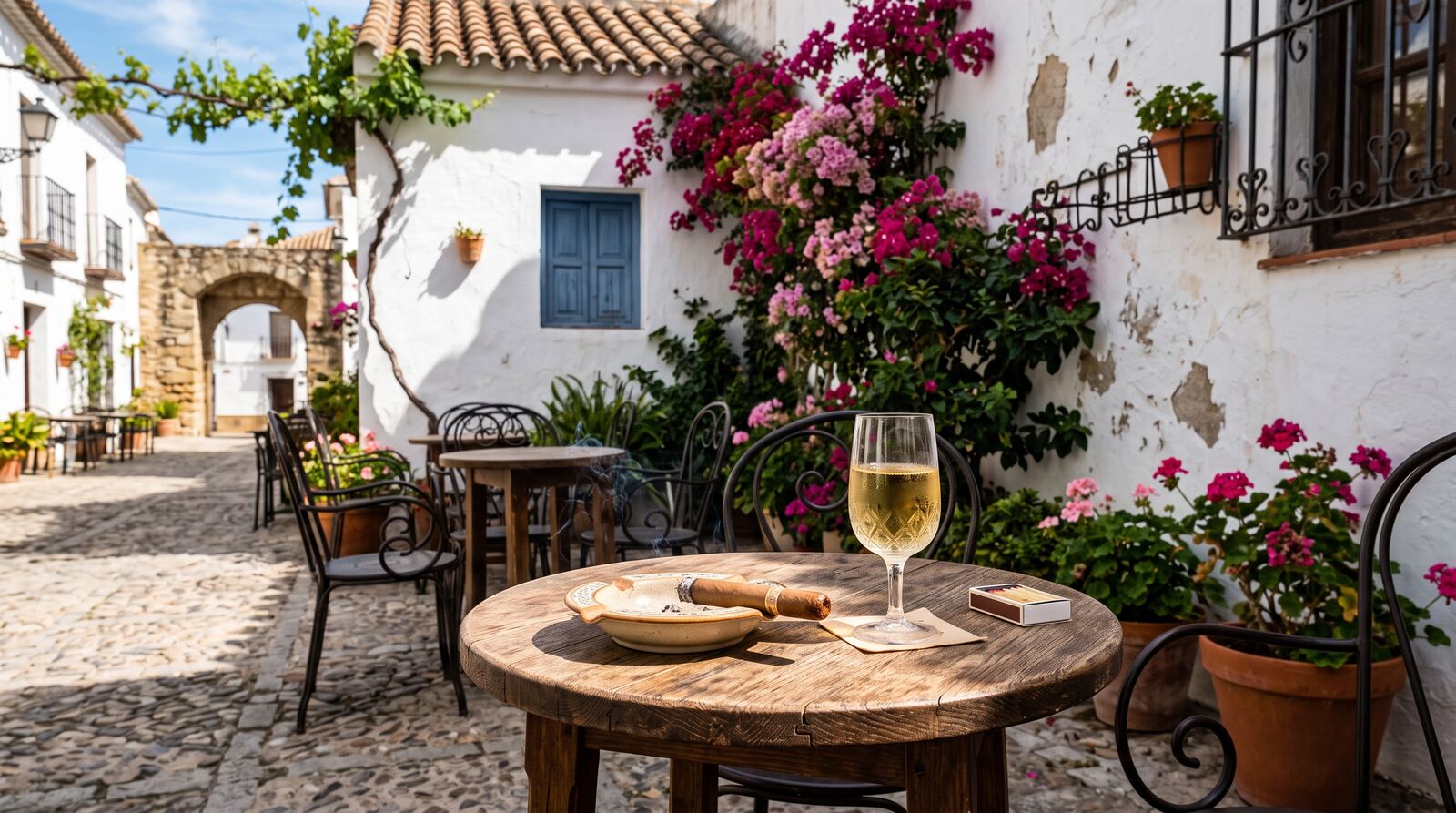
Smoking has been banned in enclosed public places, including bars and restaurants, since 2011. Outdoor terraces are still the usual place to enjoy a cigar, but a 2026 government bill would extend the ban to terraces and beaches. Details are in smoking laws in Spain.
Cigar Pairings, Spanish Style
Spain offers natural partners for a cigar: dry fino or rich oloroso sherry from Jerez, aged brandy de Jerez, and strong café solo. Many Spanish smokers save their cigar for the sobremesa, the long conversation after a meal.
More of Europe
Explore the rest of the continent on Cigar Europe, including the EU travel allowances. Cigars Spain is part of the Cigars North America network.
Read the Seville Story →Frequently Asked Questions
Are Cuban cigars legal in Spain?
Yes. Cuban cigars are legal and sold in Spanish estancos.
Where do you buy cigars in Spain?
In estancos, the state-licensed tobacconists, which are the only shops allowed to sell tobacco.
Can you smoke in bars in Spain?
No. Smoking in enclosed public places, including bars and restaurants, has been banned since 2011.
Does Spain make cigars?
Yes, on a small scale. La Palma in the Canary Islands is known for hand-rolled puros palmeros.
What is the smoking age in Spain?
You must be 18 to buy tobacco in Spain.